Escape Key Graphics

Archive for July, 2007

Posted by John Potter at 31 July 2007

Category: Graphics

Tags: , , ,

Things that can contribute to different display of websites on different computers.

By John Potter

Screen resolution is the number one contributor to a difference in display. Screen resolution is a setting on a computer that controls how many pixels are displayed vertically and horizontally. It’s kind of like the difference between a TV screen and a movie screen, but when you change the screen resolution on a computer websites generally don’t stretch. The content automatically gets rearranged to fit the new situation (See article: Ice, Liquid and Jello Design).

(more…)

Share

Posted by John Potter at 31 July 2007

Category: Graphics

Tags: , ,

Ice, liquid and jello are different methods of doing page layout for websites.

By John Potter


Ice

Jello

Liquid

Since screen resolutions (if you don’t know what screen resolution is visit this article) can vary different approaches to displaying content have been developed. A page using ice doesn’t change width based upon the width of your browser. It is usually just narrow enough to be viewed comfortably at the minimum resolution the designer picks or higher. The content of an ice design may be aligned left, right or centered and may move based on this if you change resolution, but it will remain the same width.

(more…)

Share

Posted by John Potter at 25 July 2007

Category: Graphics, Illustration

Tags: , , , ,

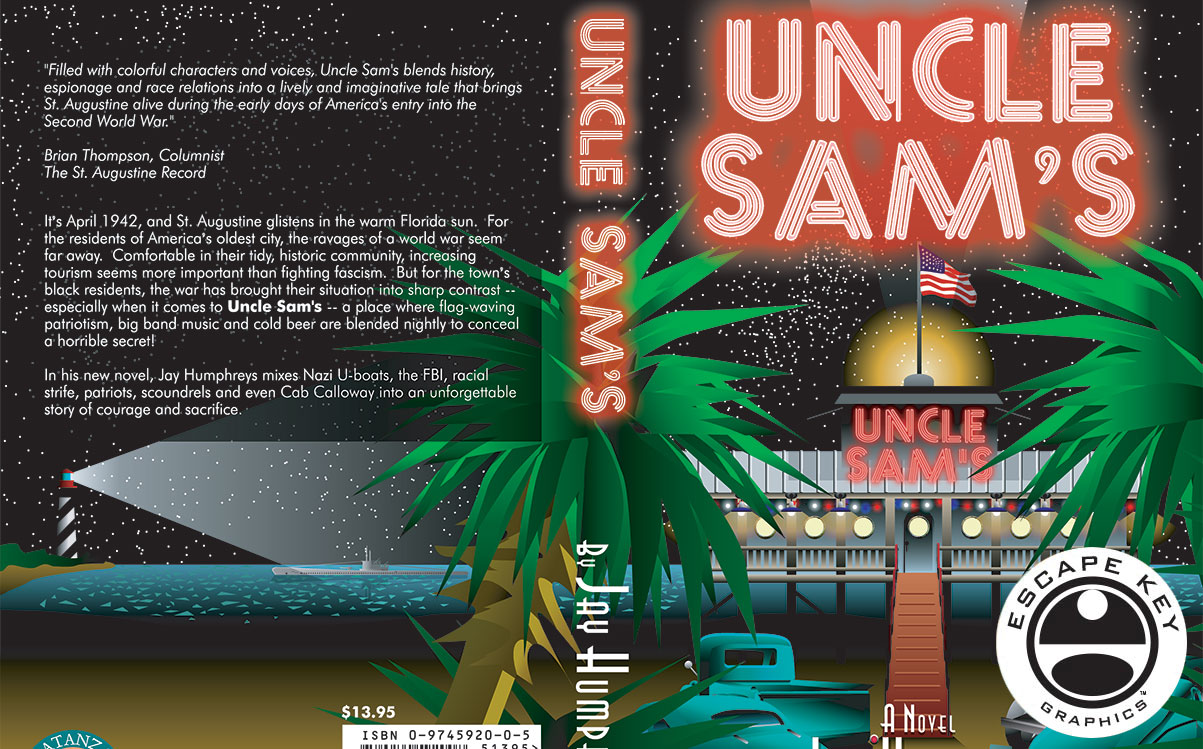
step by step process of a book cover from concept to completion.

By John Potter

Sketch1

Sketch 2

Sketch 3

Final Proof

Final Product

Back in 2003 I was contacted by friend and author, Jay Humphreys, saying that he had just written his first novel and would like me to create a cover for it. The transcript arrived a day or two later and I read it immediately. It was a very visual story, so this was going to be fun. It was called Uncle Sam’s and set it in the 1930s in St. Augustine, Florida.

(more…)

Share

Posted by John Potter at 25 July 2007

Category: Graphics, Illustration

Tags: , , , ,

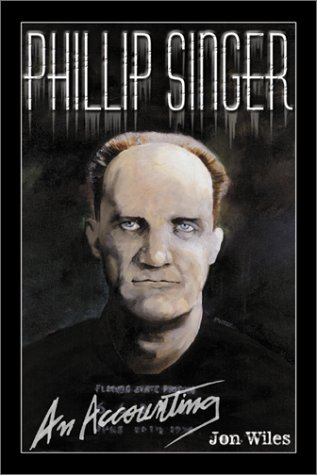
Book cover I designed and illustrated
for “Phillip Singer An Accounting”.
See more of my book covers in my illustration portfolio.

This article is to help inform anyone who wants to hire someone to produce a book cover for them.
By John Potter

I’m going to break down the development process into three
steps. In some outstanding cases steps can be skipped or modified,
but this is the method I have used for almost every book cover
I’ve developed. It has worked well for me and my clients find
it efficient and helpful to them as well.

  1. Concept Development:
    In rare cases where
    the client knows EXACTLY what they want and have supplied
    all imagery etcetera I may skip this
    step, but it is very rare.

    Book cover I designed and illustrated about Florida Marine Biotechnology for Florida Sea Grant.
    See more of my book covers in my
    illustration portfolio.

    This is the stage where a clear concept of what the end
    result is supposed to
    look like is established. Normally this starts with deciding whether to use
    illustration (a drawing or painting), photography or text only on the
    cover. This is a joint process
    done with the client. This usually doesn’t take long (it can be one email sometimes),
    but I have to know what the client wants or what decisions they are willing
    to allow me to make regarding the look of their book cover on my own.

    It is
    at this point I provide a quote.

    I have to know what a client wants in order
    to provide them a quote. Keep in mind that doing an oil painting, for instance,
    takes a lot more time and materials than pasting a photo in the middle of a book cover in some software package, so I have to have a clear idea of what the desired end result is to make a quote that is fair to myself AND MY CLIENT.

    If the client would like me to make proposals of my own concepts I usually
    go through whatever has been supplied to me by the client first. This includes ideas that the client has and any photos or examples that they may have supplied. If at all possible I read the manuscript thoroughly at this point as well.

    Whether it’s my concept or that of the client I now make sketches of what the final product should look like and submit them for approval by the client.
    (more…)

Share


HOME | ILLUSTRATION | MAPS | GRAPHIC DESIGN | PANORAMIC PHOTOGRAPHY | CONTACT

Please note that EscapeKeyGraphics.com and all graphics/objects/images/writing on it were designed, written and made by John Potter and are his exclusive property, unless otherwise stated. Seek written permission from John Potter first if you wish to reproduce any of the items contained on this site to distribute elsewhere.
© EscapeKeyGraphics, All Rights Reserved.


Archives